
Published by Root Purely | Editorial Review by Brenda W. Schultz | Food & Home Wellness Editor
The Hidden Kitchen Risks Most People Never Think About
Many everyday food preparation habits seem harmless. Yet food safety experts continue to warn that some common kitchen routines may introduce hidden hygiene and contamination risks that often go unnoticed.
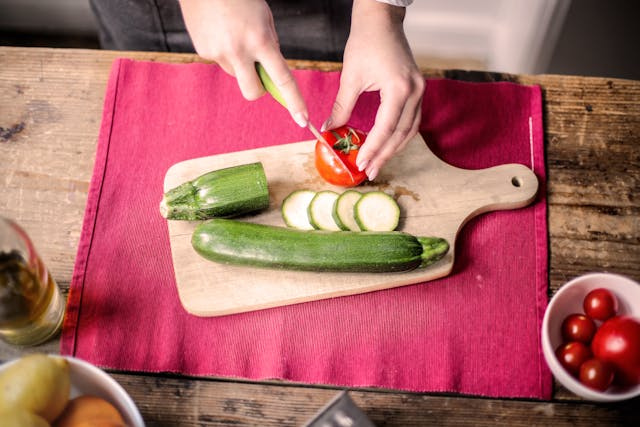
For most people, the kitchen feels like one of the safest places in the home.
Fresh ingredients, home-cooked meals, and healthy routines often create a sense of confidence during food preparation.
However, food safety specialists continue to point out that many kitchen-related risks are not always obvious.
- Cross-contamination between ingredients
- Food preparation surfaces that become difficult to sanitize over time
- Hidden bacteria in worn kitchen tools
- Everyday habits that may affect food hygiene
- Kitchen materials that receive little attention from consumers
While researching common food preparation practices, we discovered that some of the biggest concerns are often linked to tools and surfaces people use every day without giving them a second thought.
That finding led us to take a closer look at what experts, consumers, and kitchen enthusiasts have been discussing about food preparation safety in recent years.
Why Food Preparation Surfaces Matter More Than Most People Realize
When discussing food safety, most people immediately think about ingredients, refrigeration, or proper cooking temperatures.
However, experts often point out that food preparation surfaces deserve just as much attention.
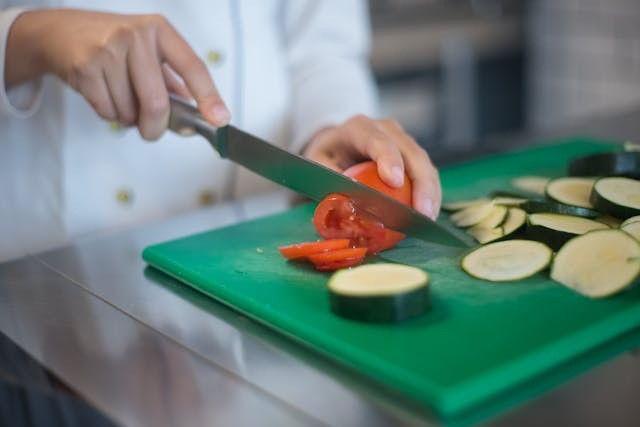
Every meal begins somewhere. Vegetables are sliced, fruits are prepared, and ingredients are organized before cooking even starts.
Because these activities happen daily, preparation surfaces are exposed to constant contact with food, moisture, utensils, and cleaning products.
Over time, normal wear and tear may create small imperfections that are difficult to notice during everyday use.
- Frequent knife contact during food preparation
- Daily exposure to moisture and cleaning routines
- Repeated use throughout the week
- Contact with different types of ingredients
- Surface wear that may develop gradually over time
For this reason, food safety discussions often include not only what people eat, but also where and how food is prepared before reaching the plate.
As we continued our research, we found growing conversations around the materials commonly used in kitchen preparation surfaces and why some consumers are beginning to pay closer attention to them.
What Consumers Have Started Questioning About Traditional Kitchen Surfaces
As awareness around food preparation practices continues to grow, many consumers have started paying closer attention to the tools they use every day in their kitchens.
Online discussions, product reviews, and food safety conversations increasingly focus on topics that were rarely considered in the past.

Many people are asking questions such as:
- How do preparation surfaces change after years of use?
- Which materials are commonly found in traditional kitchen tools?
- Are some surfaces easier to maintain than others?
- What do food safety experts recommend for long-term use?
- How can consumers make more informed choices for their kitchens?
While researching these questions, we found that growing numbers of homeowners and cooking enthusiasts are looking beyond convenience and beginning to evaluate the materials used in everyday kitchen products.
Rather than focusing solely on appearance or price, many consumers now want to better understand how their food preparation tools fit into their overall kitchen routines.
That search for information eventually led us to a detailed report discussing kitchen preparation surfaces, food handling habits, and the factors that consumers are increasingly considering before making purchasing decisions.
The Report That Caught Our Attention
As our research continued, we came across a detailed report examining some of the questions consumers have recently been asking about kitchen preparation surfaces, food handling habits, and long-term kitchen use.
Rather than focusing solely on convenience, the report explores how materials, durability, maintenance, and everyday food preparation routines may influence purchasing decisions for modern households.
What stood out most was the growing number of consumers actively researching alternatives and paying closer attention to products they previously viewed as ordinary kitchen items.
The report also highlights how awareness around food preparation practices has evolved in recent years, encouraging many households to take a closer look at the tools they use every day.
For readers interested in exploring the full findings and learning more about the topics discussed, we've included the original report below.