
Published by Root Purely | Editorial Review by Eva K. Mendes | Wellness & Telehealth Content Editor
Why Telehealth Weight-Loss Programs Are Growing So Fast in the U.S. — What We Discovered While Investigating the Trend
Telehealth weight-management programs are expanding rapidly across the United States. We took a closer look at what's driving the trend and what users are saying about their experience with virtual care and GLP-1-based treatment options.

Over the past few years, telehealth has moved from a niche service to a mainstream part of healthcare in the United States.
What started as a convenience during limited access periods has now become a preferred option for millions of people seeking ongoing medical support from home.
In the context of weight management, this shift has become even more noticeable.
- Online consultations replacing in-person clinic visits
- Faster access to licensed healthcare providers
- Greater privacy and convenience for patients
- Structured programs combining medication and coaching
- Increased interest in GLP-1-based treatment approaches
To better understand this movement, we reviewed public reports and spoke informally with individuals currently using telehealth-based weight management programs.
What we found was a consistent theme: people are not just looking for treatments — they are looking for simpler, more accessible ways to manage their health within their daily lives.
What One Woman Told Us About Her Experience

During our research into the growing popularity of telehealth weight-management programs, we spoke with a woman who shared why she decided to explore virtual care options.
Jennifer, 38, told us that her interest wasn't driven by a single event. Instead, it developed gradually after years of trying different approaches that often felt difficult to maintain alongside work, family responsibilities, and everyday life.
"One of the biggest challenges wasn't finding information," she explained. "It was finding something that fit realistically into my schedule."
According to Jennifer, the appeal of telehealth wasn't necessarily the technology itself. What attracted her was the ability to complete an assessment from home, communicate with healthcare professionals remotely, and access ongoing support without needing to schedule frequent in-person appointments.
She also mentioned that privacy and convenience played an important role in her decision to explore online wellness programs.
While every individual's experience is different, Jennifer's perspective reflected a theme we encountered repeatedly during our research: many people are looking for healthcare options that better fit modern lifestyles.
As telehealth continues to expand across the United States, stories like hers help explain why virtual wellness programs are becoming an increasingly common part of the healthcare conversation.
Why More Americans Are Exploring Telehealth Programs
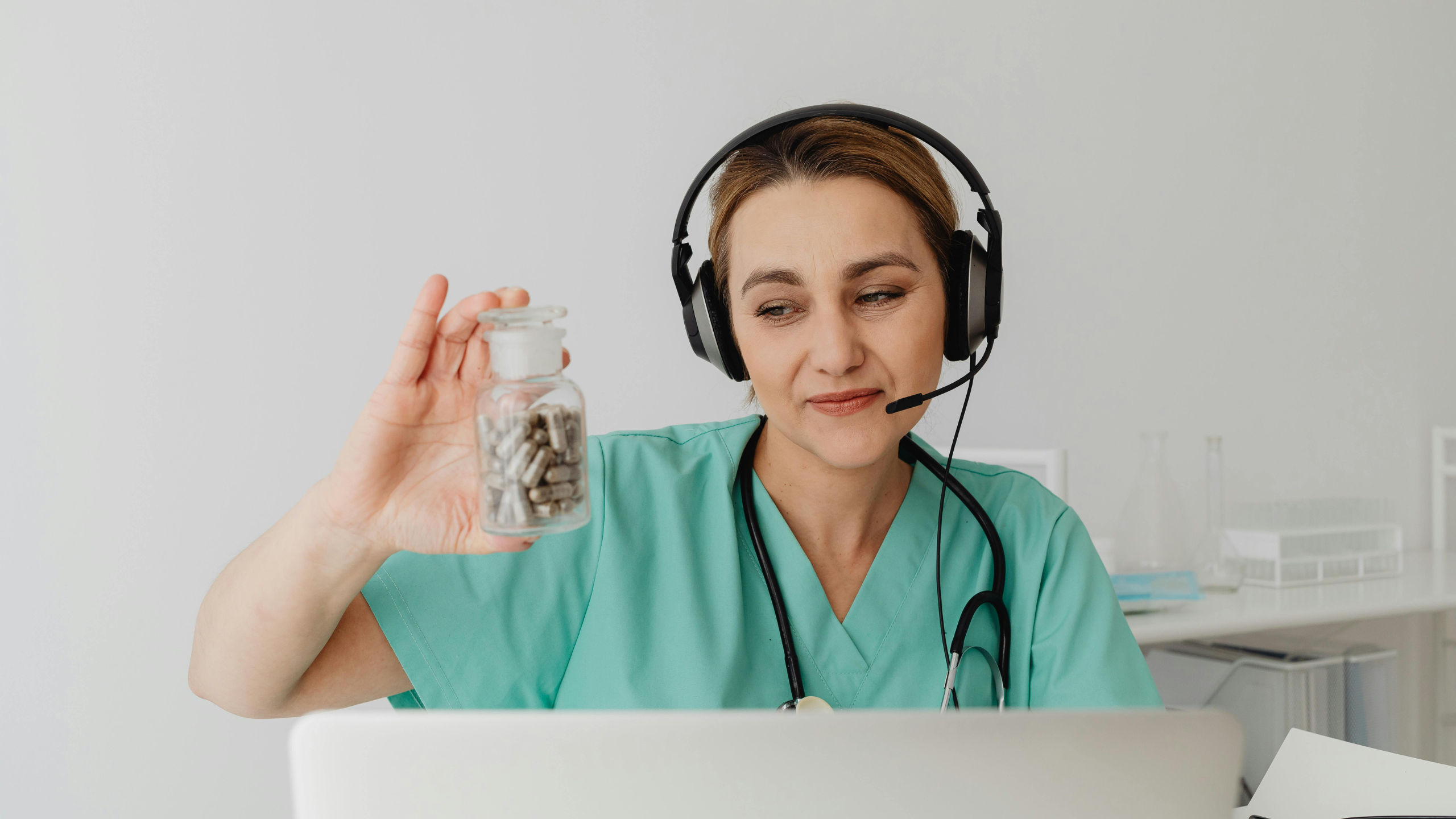
Convenience is often the first reason people mention when discussing telehealth, but it is rarely the only one.
For many Americans, virtual healthcare offers a way to fit wellness support into busy schedules without the need to coordinate travel, waiting rooms, or multiple in-person appointments.
This flexibility has helped expand access to healthcare services for people living in different regions, working irregular hours, or simply looking for a more streamlined experience.
- Remote assessments completed from home
- Direct communication with licensed healthcare providers
- Ongoing support through digital platforms
- Greater scheduling flexibility
- Reduced barriers to accessing wellness programs
Another factor frequently mentioned by users is privacy. Some people feel more comfortable discussing personal health goals in a familiar environment rather than during a traditional office visit.
As a result, telehealth is no longer viewed as a temporary alternative. For many individuals, it has become a normal part of how they access information, guidance, and healthcare services.
Within the weight-management category, this shift has coincided with growing public awareness of newer approaches that combine medical oversight, behavioral support, and personalized care plans delivered through virtual platforms.
Why GLP-1 Medications Are Receiving So Much Attention
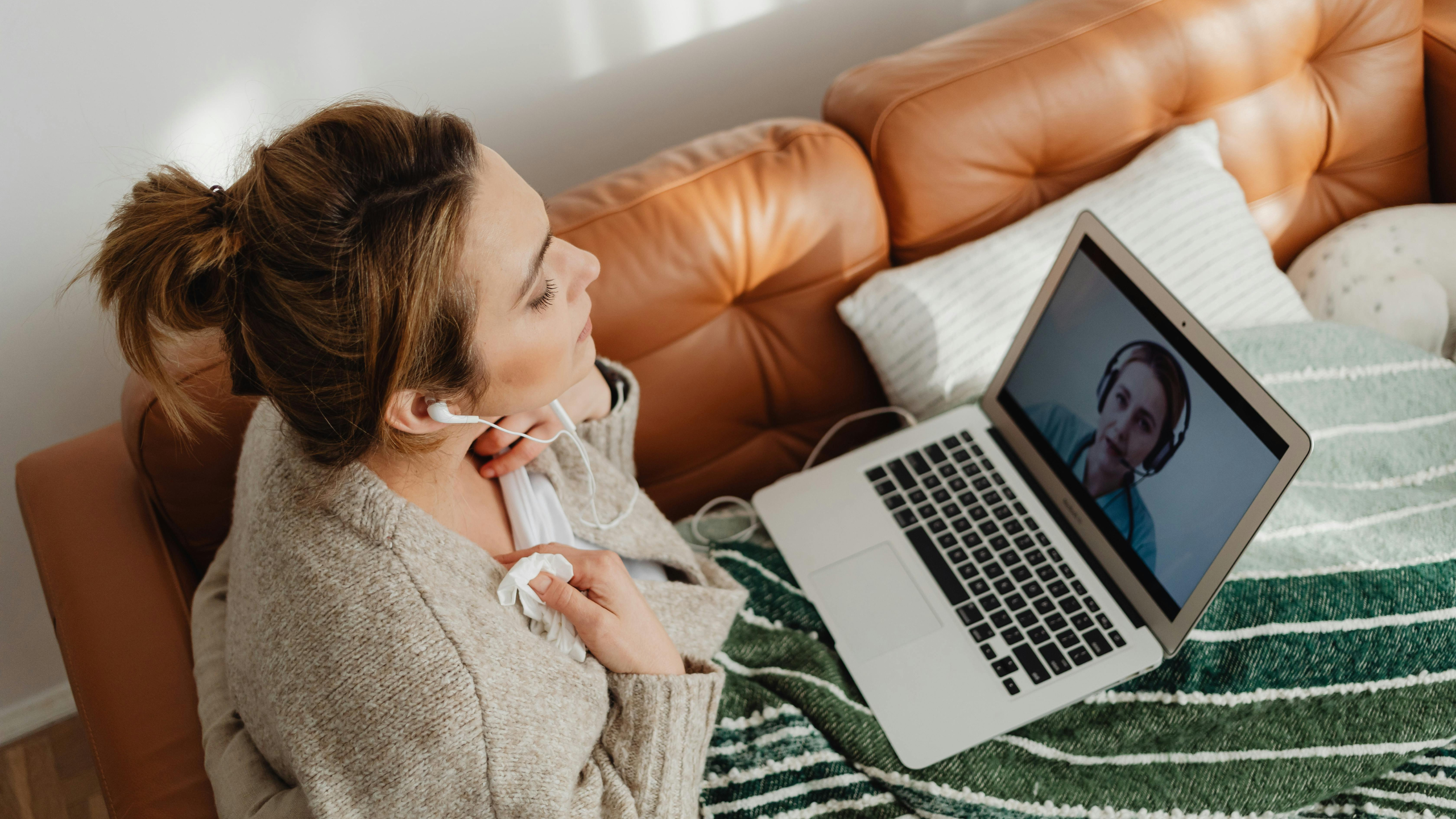
As telehealth programs have expanded across the United States, another topic has increasingly entered the conversation: GLP-1 medications.
Originally developed for specific medical purposes, these medications have attracted growing public interest and are now frequently discussed within the broader weight-management category.
Healthcare providers may consider a variety of factors when evaluating whether a particular approach is appropriate for an individual. Because every person has unique health circumstances, professional assessment remains an important part of the process.
One reason GLP-1 medications have become a topic of discussion is that they focus on biological pathways related to appetite regulation and satiety. Researchers continue to study these mechanisms and their role within comprehensive weight-management strategies.
- Growing public awareness of GLP-1 medications
- Increased discussion within telehealth programs
- Professional medical evaluation before treatment decisions
- Integration with broader wellness and lifestyle support
- Ongoing interest from patients seeking structured care options
For many people exploring telehealth services, the appeal is not simply access to medication. It is the combination of medical guidance, ongoing communication, educational resources, and support delivered through a more convenient format.
As a result, a growing number of virtual care programs are incorporating GLP-1-related discussions into their broader approach to weight management and long-term wellness planning.
Programs That Are Getting Attention in the Telehealth Space

As interest in telehealth continues to grow, a number of virtual care programs have emerged to meet the demand for more accessible weight-management support.
Among the programs frequently mentioned in online discussions is Gala, a telehealth platform that combines provider-guided care, ongoing support resources, and home-delivered treatment options through a fully virtual process.
The model is designed around convenience. Individuals begin by completing an online health assessment, after which a licensed healthcare provider reviews the information and determines whether treatment options may be appropriate.
- Online health assessment completed from home
- Review by a licensed healthcare provider
- Virtual support and coaching resources
- Home delivery when prescribed and approved
- Ongoing access through a digital platform
Programs like Gala reflect a broader shift in how many people prefer to access healthcare services today. Rather than scheduling multiple office visits, patients can often begin the process online and receive guidance remotely.
While telehealth is not the right choice for everyone, its growing popularity suggests that convenience, accessibility, and personalized support are becoming increasingly important factors for people exploring weight-management options.
For individuals interested in learning more about how these programs operate, the first step is typically reviewing eligibility requirements and completing a brief assessment to determine available options.
Interested In Learning More?
Telehealth programs may offer different treatment pathways depending on individual circumstances and provider evaluation. Many platforms provide access to options that may include Semaglutide or Tirzepatide alongside virtual care resources and ongoing support.


This link leads to a third-party provider website where program information, availability, eligibility requirements, and treatment options may be reviewed. Individual circumstances vary and all treatment decisions are made by licensed healthcare providers.